
How should cement be stored, and how long is its shelf life?
- Published
- August 9, 2026
- Reading time
- 1 min
- sections
- 3

Short answer
Bagged cement kept dry, ventilated and isolated from the floor can retain its properties for months; moisture causes hard lumps and strength loss.
- Moisture is the principal cause of cement deterioration.
- Bags should not touch the floor or external walls.
- Stack height should be limited to protect the bottom bags.
- Use first-in-first-out stock rotation.
Even in a closed bag, cement is not completely isolated from surrounding air. Moisture slowly migrates through the packaging and starts premature hydration on particle surfaces. This creates hard lumps and can prevent the material from achieving the expected strength.
Storage conditions
- Place bags on timber pallets or bearers, never directly on a concrete floor.
- Keep stacks away from external walls, where condensation can form.
- Use a dry, ventilated store with no roof or wall leaks.
- For temporary site storage, place waterproof sheeting both below and above the stack.
- Limit stack height so pressure does not compact and harden the lower bags.
How to think about shelf life
Cement deteriorates according to conditions, not simply the calendar. Properly stored bagged product can remain usable for a long time, while humid storage may damage it within weeks. Keep inventory periods short and consume the oldest bags first.
How to recognise a damaged bag
Soft lumps that break under finger pressure are usually not critical. Hard, stone-like pieces that cannot be broken by hand indicate advanced hydration. Such bags should not be used in structural work.
Bulk cement storage
Moisture risk is lower in a silo but not zero. Check hatch seals, filter maintenance and condensation in discharge lines. Material left static for long periods can bridge, so regular stock turnover is important.
Our packaged products are available in 25, 40 and 50 kg bags as well as big-bag and sling-bag formats. Contact us through the quotation form to select a packaging and delivery arrangement suited to your site.
Frequently asked questions
Rain touched the bags. Can I still use them?
If only the outer surface became wet and the inside remained dry, the material may still be usable. Wet bags should be assessed promptly and never stacked on dry bags. Do not use bags containing hard lumps in structural work.
Can an opened bag be stored until the next day?
It can be kept briefly if tightly closed in a dry place, but an open bag absorbs moisture quickly. Using it on the same day is preferable.
Can lumpy cement be sieved and used?
Sieving may remove soft lumps that break by hand. Hard lumps indicate hydration and possible strength loss; use should only be considered after testing, even for non-structural work.
Related pages
Previous posts
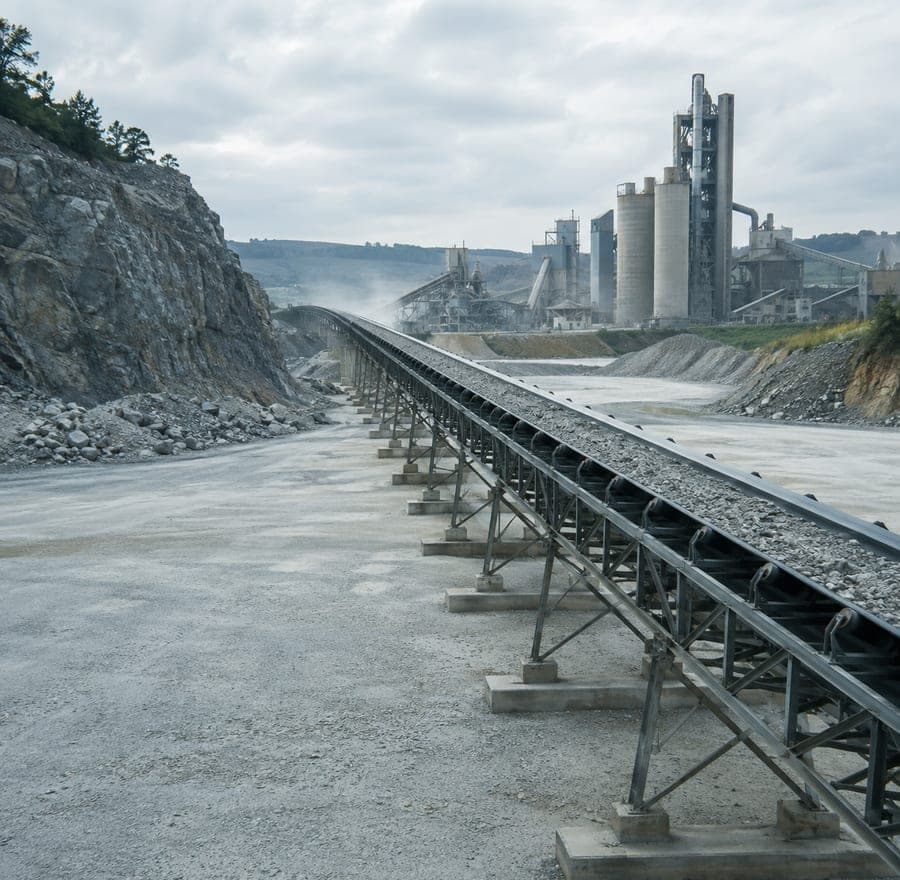
August 8, 2026
Cold-weather concreting: what should be checked on site?
As temperature falls, hydration slows, strength is delayed and fresh concrete is exposed to freezing. Cement selection, placing temperature and insulated curing make the risk manageable.
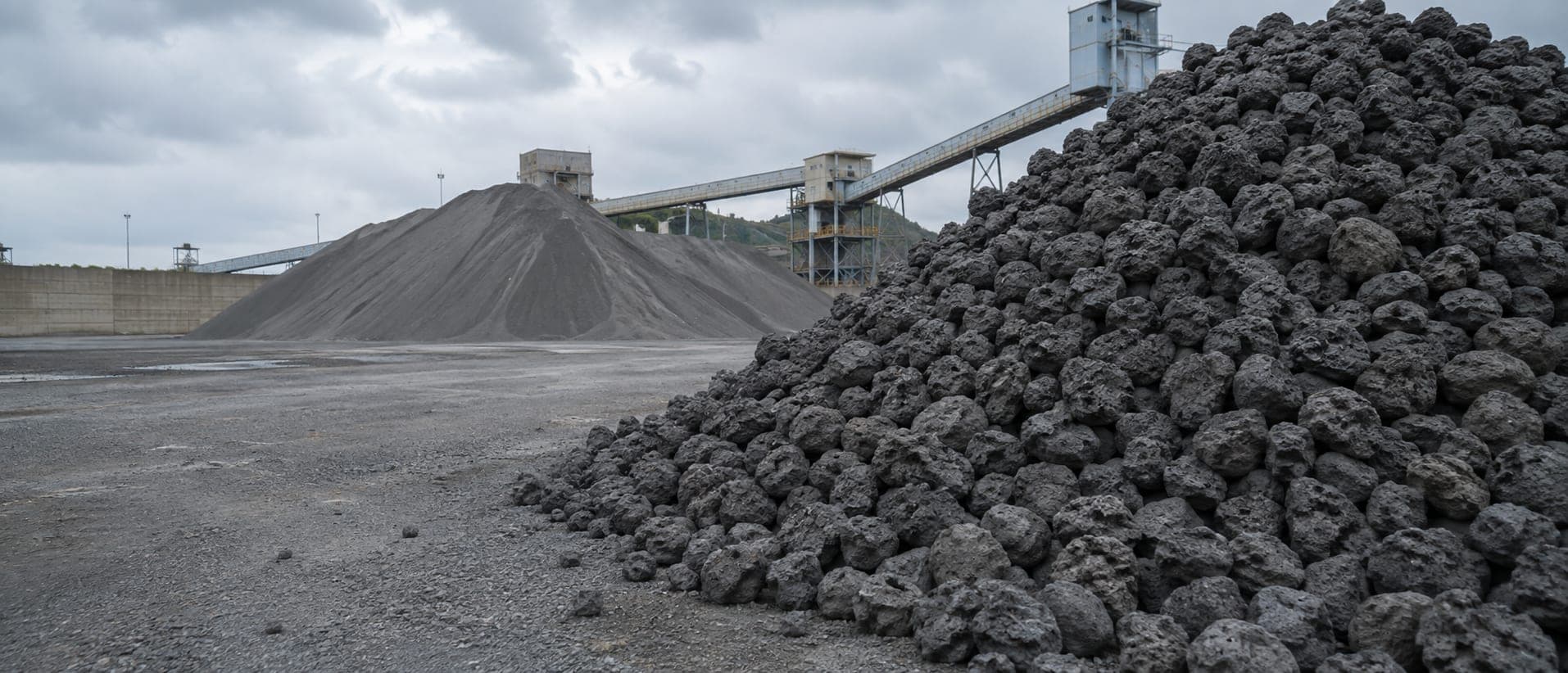
August 7, 2026
What does ground granulated blast-furnace slag add to concrete?
Granulated slag, a by-product of ironmaking, becomes a binder when ground. Replacing part of the clinker improves durability and lowers embodied carbon.
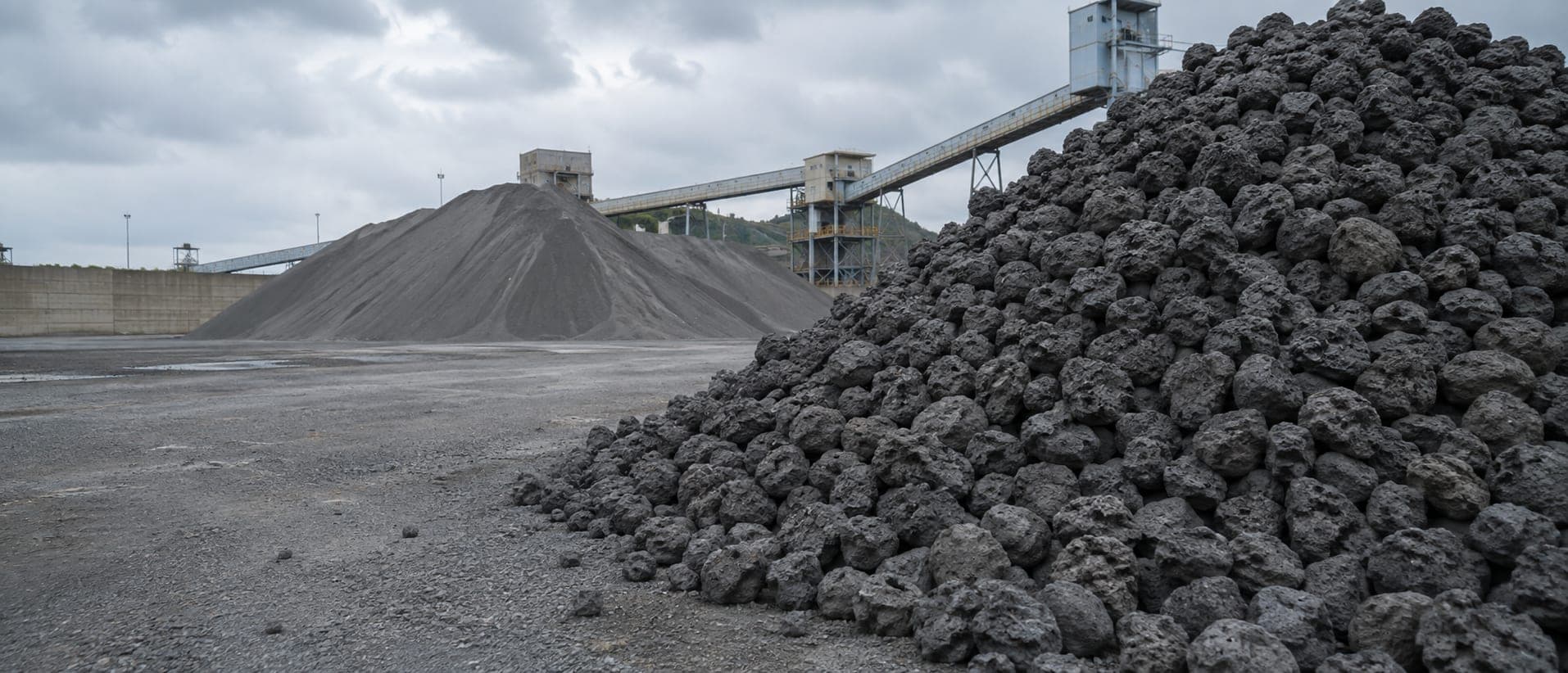
August 6, 2026
When is sulfate-resistant cement required?
Dissolved sulfate in soil or water can react with phases in hardened concrete, causing expansion and cracking. Sulfate-resistant cement limits this risk.

Tell us your tonnage and delivery address — we reply the same day
Whether it is continuous supply, a one-off shipment or an export enquiry, our technical team works with you to define the right product and delivery plan.