
What do 32.5, 42.5 and 52.5 mean? Cement strength classes explained
- Published
- August 5, 2026
- Reading time
- 2 min
- sections
- 3
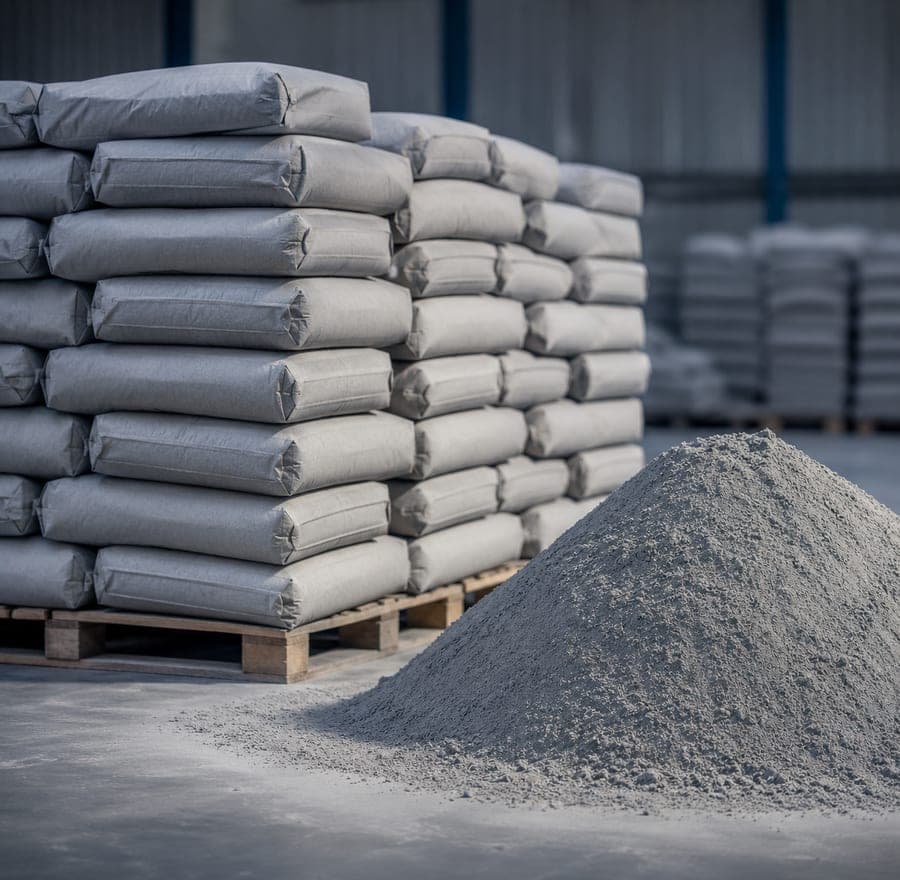
Short answer
The number states the lower limit of 28-day compressive strength in megapascals. N means normal, R high and L low early strength.
- The class value is a lower limit, not an average.
- Each class also has an upper limit to keep mix performance predictable.
- R indicates high early strength; it does not change the final class.
- A higher class is not always better and can be a disadvantage in mass concrete.
The values 32.5, 42.5 and 52.5 printed on cement packaging state the minimum 28-day compressive strength, in megapascals, of a standard mortar prepared with specified sand and water. They describe the cement, not the concrete strength class; the two are often confused.
Lower and upper limits
The standard defines an upper limit as well as a minimum. A 32.5-class cement must reach at least 32.5 MPa but may not exceed 52.5 MPa. This keeps mix design predictable: cement far stronger than expected can release more heat and alter shrinkage behaviour.
The letters N, R and L
The letter following the class shows the rate of early-strength development. N denotes normal early strength, R high early strength and L low early strength. All reach the same 28-day class; the difference is in the first few days.
- 42.5 N: at least 10 MPa at two days.
- 42.5 R: at least 20 MPa at two days.
- 32.5 L: assessed at seven days and develops most slowly at an early age.
R does not raise the final strength class; it only reaches useful strength sooner. It can shorten formwork cycles but may increase heat-related risk in thick sections.
Which class for which application?
52.5 is used in high-strength concrete, prestressed elements and precast production. 42.5 is common in ready-mixed concrete and general construction. 32.5 is suited to lower-strength work, plaster and screed, mass concrete and pours where low heat of hydration is a priority.
Is a higher class always better?
No. Using 52.5 R in a large raft foundation can create a high core temperature and a damaging gradient to the surface. Using high-class cement for low-strength concrete may also increase binder content, cost and shrinkage unnecessarily.
The correct decision comes from considering strength class, cement type and mix design together. Product pages list type and class, while technical data sheets provide measured values.
Frequently asked questions
Are C25/30 concrete and 42.5 cement the same thing?
No. C25/30 states the characteristic 28-day strength of concrete using cylinder and cube specimens. 42.5 is the cement strength class measured in a standard mortar test.
Is R-class cement useful in winter?
Yes. Faster early strength shortens the period during which concrete is vulnerable to freezing, and the additional heat of hydration helps maintain temperature.
Is lower-class cement lower quality?
No. Strength class is a performance designation, not a quality grade. A compliant 32.5 cement may be the technically better choice for applications such as mass concrete.
Related pages
Previous posts

August 9, 2026
How should cement be stored, and how long is its shelf life?
Cement reacts with moisture in the air. Poorly stored bags can harden and lose performance, while correct dry storage preserves their properties for much longer.

August 8, 2026
Cold-weather concreting: what should be checked on site?
As temperature falls, hydration slows, strength is delayed and fresh concrete is exposed to freezing. Cement selection, placing temperature and insulated curing make the risk manageable.
August 7, 2026
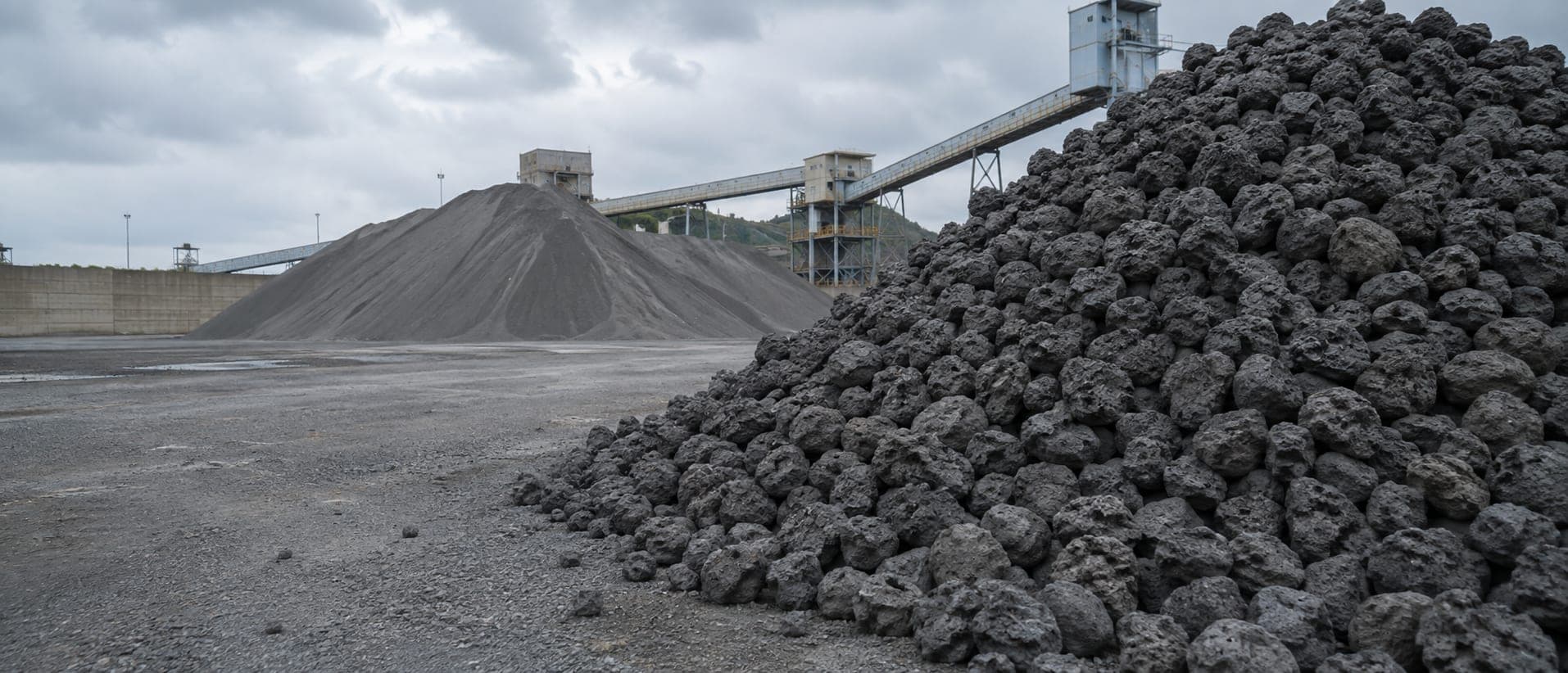
What does ground granulated blast-furnace slag add to concrete?
Granulated slag, a by-product of ironmaking, becomes a binder when ground. Replacing part of the clinker improves durability and lowers embodied carbon.

Tell us your tonnage and delivery address — we reply the same day
Whether it is continuous supply, a one-off shipment or an export enquiry, our technical team works with you to define the right product and delivery plan.